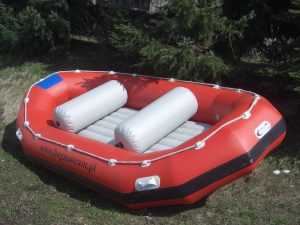
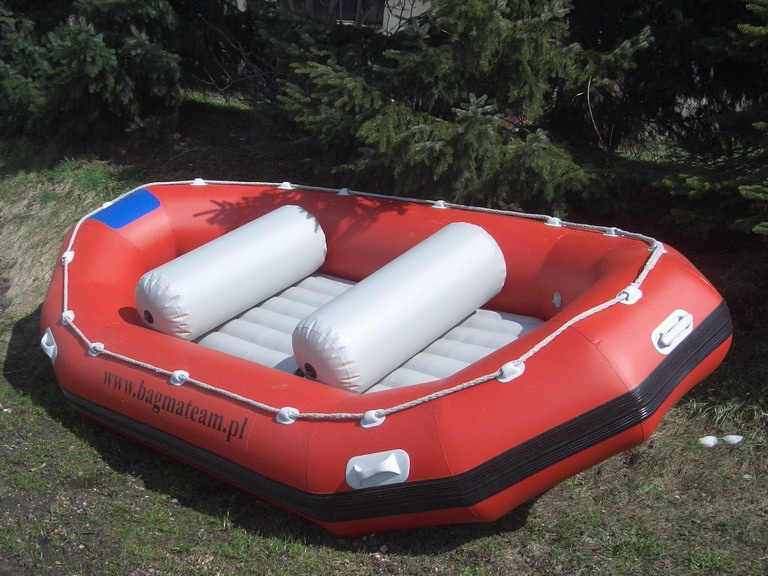
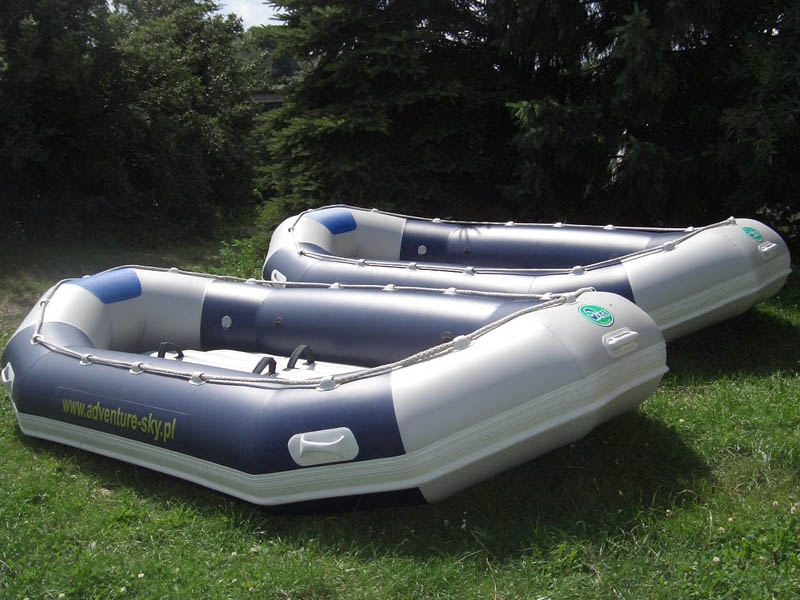
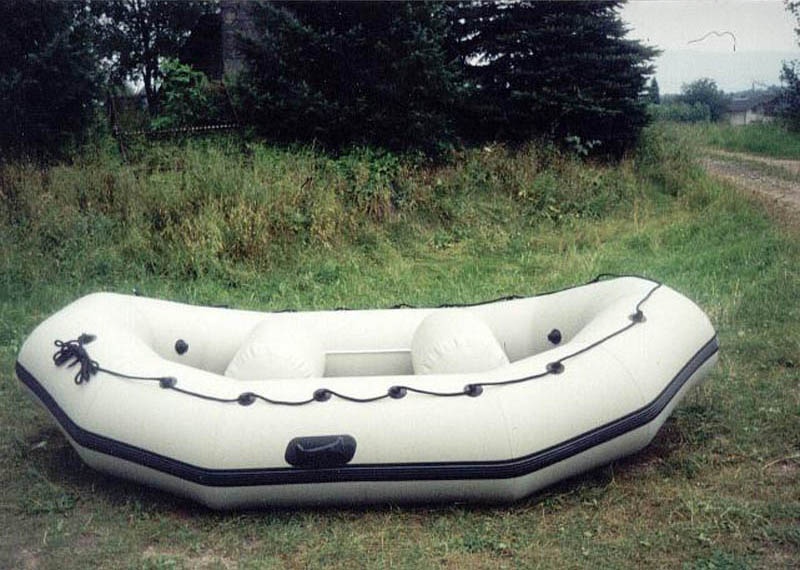
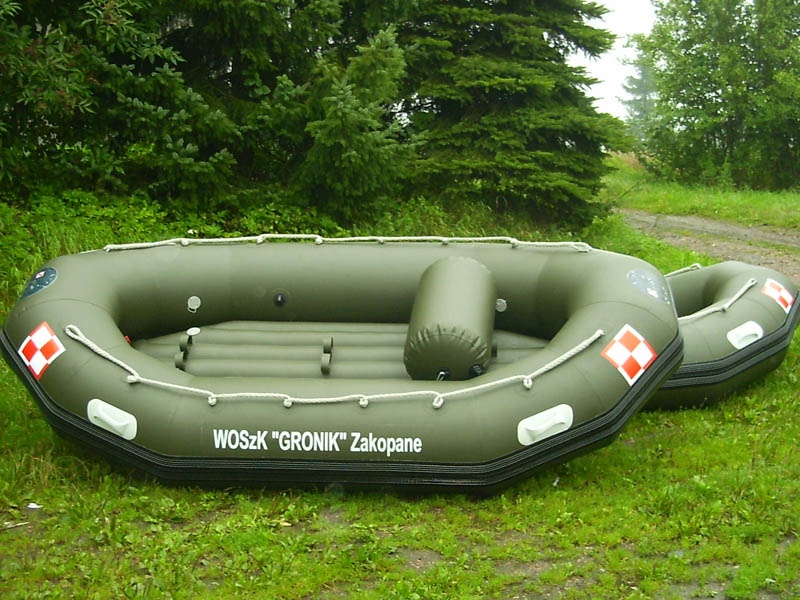
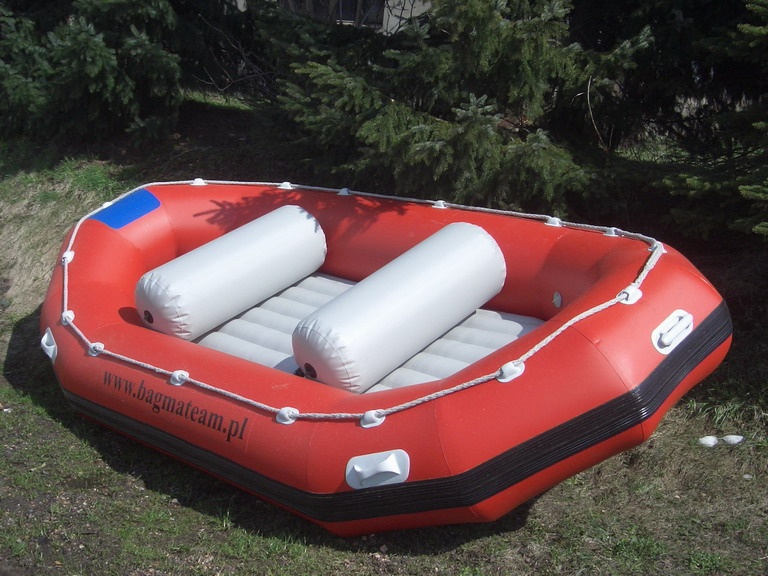
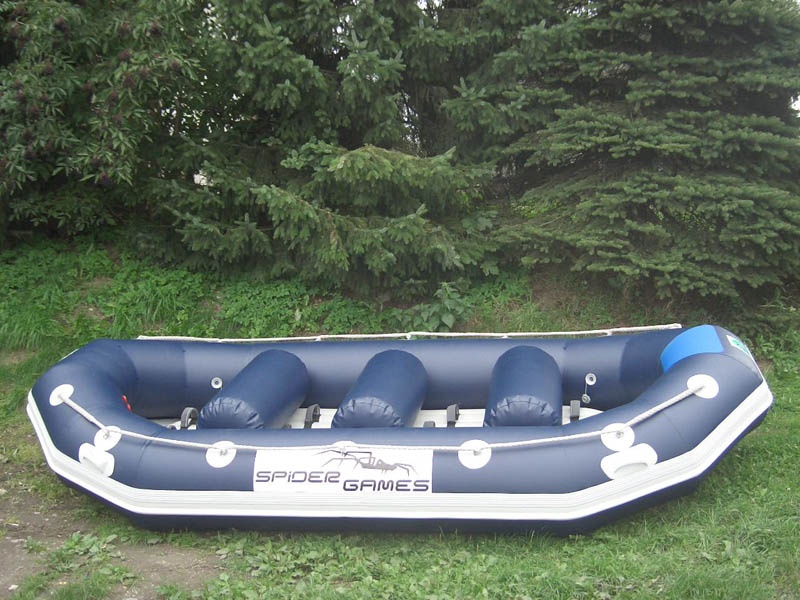
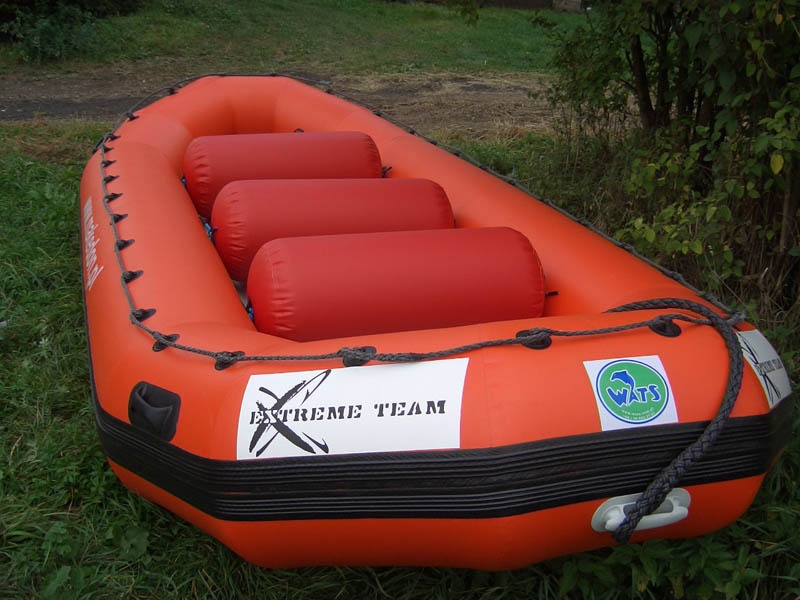
The environmental protection is the most actual issue all the time. The use of combustion engines for watercrafts is prohibited on many water surfaces due to environmental protection. A suitable drive alternative is to use an electric motor. Conventional electric motors with 40lbs displacement enable to achieve a speed of about 3 – 4,6 km/hour on the MAX X and MAX XX boats, depending on boat loading. This conventional electric motor as a main source of drive is not sufficient on largest open water surfaces , where due to wind the formation of huge waves is imminent. Interservis company have offered Torqeedo Cruise 2,0 electric motors with an excellent high power (up to 2000W) for testing. This power in combination with the stable MAX boats may mean rescue in case of sudden adverse weather for a safe return to the beach.
The testing was carried out on standing water without wind at a water temperature of 5°. There were two powerful electric motors available to us for testing - Torqeedo TRAVEL 801 and Torqeedo CRUISE 2,0 supplied from an external accumulator.
At first our attention was attracted by the increased power against older models. In particular, I was surprised by the fact that there was a different resulting speed at the same load of the motors. It was obviously influenced by a small difference in the shape of propellers. The table shows the comparison between two electric motors and also the comparison with combustion engine of a power of 4hp.
For power supply of electric motors Torquedo we used two 12V 100Ah traction accumulators connected in series. One open question remained to us – how long the accumulators will be able to last. Because of an adverse weather during testing we did not try to find out this fact.